
Understanding the Post-Repair Experience for Your Vehicle
When you get your vehicle’s brakes repaired, you’re ensuring safety on the road. Brake systems are crucial for stopping power and overall driving safety. Once the auto brake repair is complete, there are several things you can expect as part of the process. This guide will walk you through what happens next and how to ensure your car remains in top condition. Understanding these aspects helps you know what to look for and how to maintain your vehicle effectively.
Initial Inspection Checks
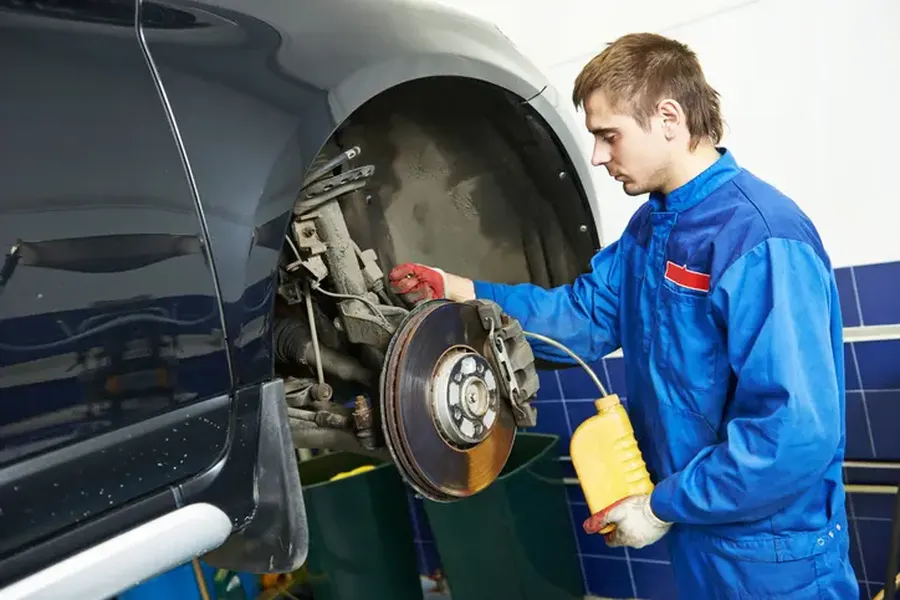
After an auto brake repair, a mechanic will typically perform a series of checks to ensure everything works correctly. They might test drive the vehicle to assess brake performance, feeling for any unusual vibrations or noises. This step ensures that the new components are functioning as intended. If any issues arise during this test, they’ll address them immediately to guarantee your safety.
Smooth and Responsive Braking
One of the most noticeable changes after an auto brake repair is how smoothly your brakes respond. The new pads and rotors provide better friction, making it easier to stop your car quickly. You should feel confident when applying the brakes, knowing that they will work reliably under various conditions. Smooth braking also enhances overall driving comfort and control.

Noises and Adjustments
It’s normal to hear minor noises shortly after a brake repair due to new parts settling in. However, persistent squeaking or grinding noises could indicate a problem. If this occurs, it’s best to return to the service center for an inspection. Proper adjustments ensure that all components fit perfectly, minimizing noise and maximizing performance.
Breaking-In Period for New Parts
Your new brake components will require a short break-in period called “bedding-in.” During this time, the brake pads develop optimal contact with the rotors. Here’s how to bed in your brakes properly:
- Perform gradual stops from varying speeds in a safe area
- Avoid hard or emergency braking unless necessary
- Allow time for cooling between stops to prevent overheating
This process ensures maximum efficiency and longevity of your brake system.
Check Brake Fluid Levels
Brake fluid plays a vital role in hydraulic braking systems, transferring force into pressure. After repairs, check fluid levels regularly to ensure there’s no leak or drop in performance. Low fluid levels may indicate leaks or other issues that need immediate attention.
Watch for Dashboard Warnings
Your vehicle’s dashboard warning lights can signal if something isn’t right post-repair. Pay close attention to any alerts related to the brake system, such as ABS warnings or general brake indicators. These signals often point towards electronic or mechanical failures requiring quick action.
Maintaining Brake Health
To keep your brakes in peak condition long-term, follow these maintenance tips:
- Schedule regular inspections to catch wear and tear early
- Avoid aggressive braking habits whenever possible
- Use quality parts specified by your vehicle manufacturer
- Keep tire pressure at recommended levels for balanced braking
These practices extend the life of your brakes and improve overall safety.
Reach Out for Expert Care
If you have questions about your vehicle post-repair, contacting a professional is always advisable. Located in Livermore, CA, I offer personalized assistance tailored to your needs. Feel free to call (925) 497-1065 for expert guidance and support regarding any concerns you may have with your brakes. At Montiel's Mechanical Solutions, I am committed to providing reliable and comprehensive solutions for all your automotive needs.